Stories from Washingtonians
The Games We Played in DC is a photography series exploring childhood play, memory, and community in Washington, DC. The project began in Addis Ababa, where photographing children at play reminded me of my own childhood, and later evolved in DC through oral histories, archival research, and staged portraiture.
Over the course of a year, I interviewed Washingtonians across all eight wards about the games they played and memories connected to them. These are their stories.
Carolivia: Ward 7 | Mayfair Mansions
"We Flew Everywhere Without Leaving the Playground"
When I think about childhood, I think about Mayfair Mansions. It was a neighborhood built with children in mind. There were open lawns, playgrounds, sidewalks, and gathering places where we spent nearly every afternoon together. Looking back, I realize those spaces shaped not only the games we played, but the people we eventually became.
Courtesy of MLK The People's Archive
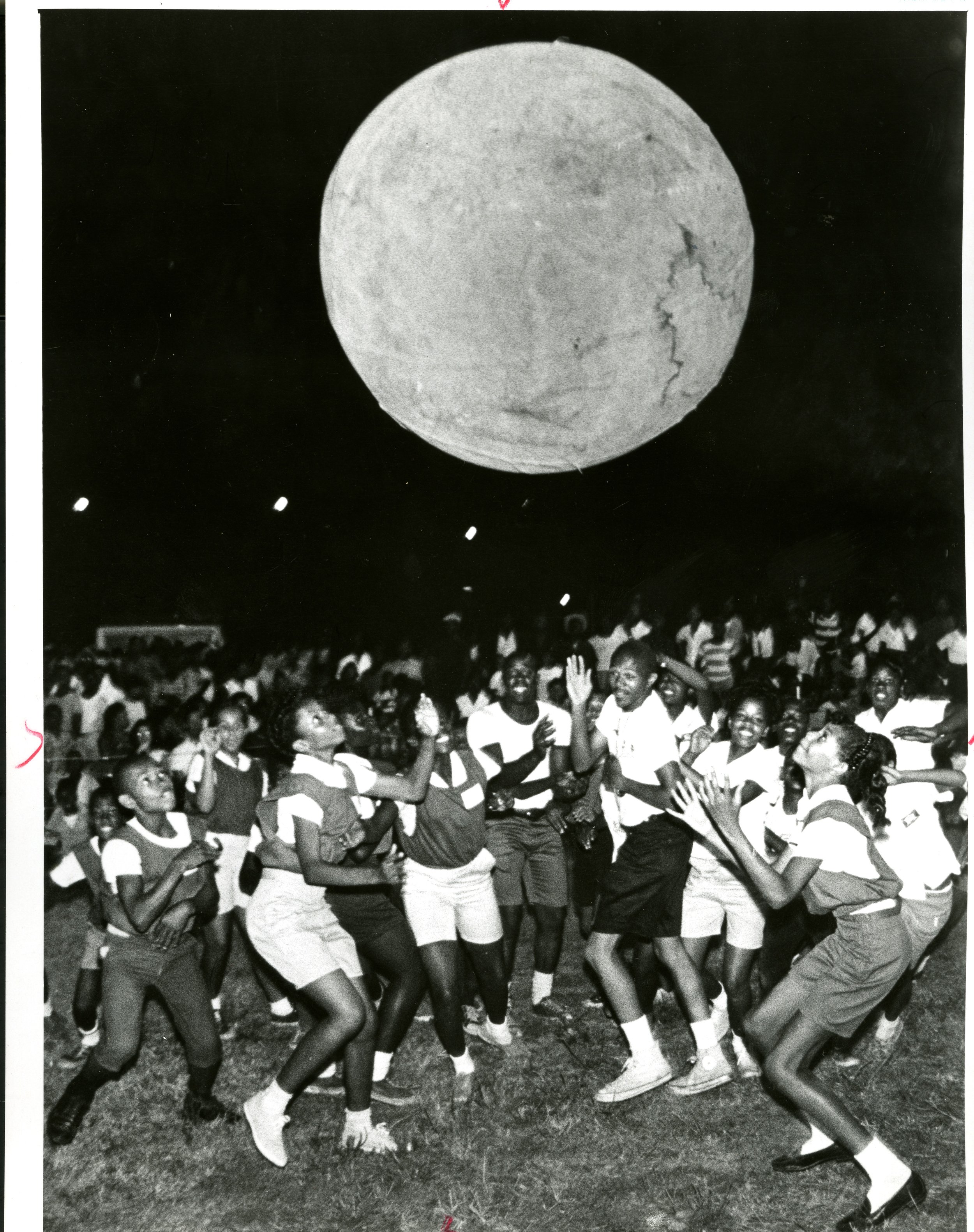
Of course we played hopscotch, jumped rope, and held hula hoop contests like children everywhere. But some of our favorite games belonged only to us. One was called Sponge. Someone would throw a soft ball into the air while spelling S-P-O-N-G-E. As long as the letters were being called, everyone could run. The moment the final letter was spoken, everyone had to freeze. Then the ball was thrown at whoever couldn't escape in time. It always seemed to happen in the evening, just as the sun filtered through the trees. Even now, I can still picture the light, the shadows, and children scattering across the playground before suddenly standing perfectly still.
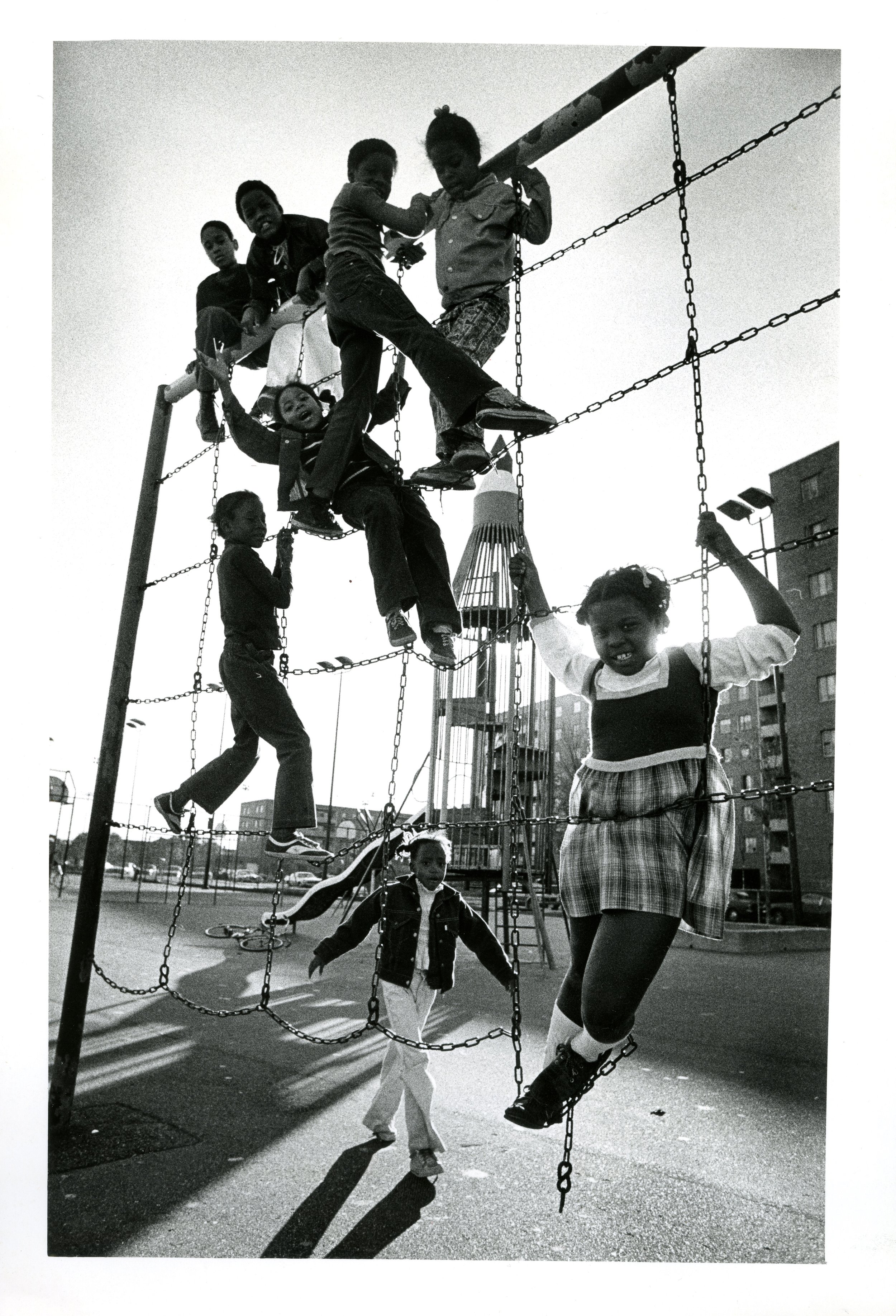
My favorite game wasn't about running at all. We called it the Flying Car. We climbed onto the jungle gym, each child finding a place to sit, and together we traveled the world without moving an inch. One of us wanted to visit Africa. Someone else dreamed about Paris because they had heard that perfume came from there. My younger brother wanted to go to China. We described everything we imagined seeing until it felt real. We had no toys, no maps, and no special equipment. We had nothing but our imaginations and somehow that was enough.
Courtesy of MLK The People's Archive
As children from the Carolinas moved into our neighborhood, they brought new songs, hand-clapping games, dances, and rhythms that none of us had ever experienced. At first they felt unfamiliar, but before long we were adding our own rhythms, making the patterns more complicated, teaching one another, and inventing new variations together. Looking back now, I realize they weren't just teaching us games. They were carrying history, culture, and memory into our playground. Those rhythms eventually found their way into my own writing.
Only much later did I understand that games were another form of storytelling. The stories my uncle told, the songs my father sang, and the games we played were all carrying something from one generation to the next. As children, we learned the rhythms first. The meaning came later. Today, as a writer and professor, I can trace that understanding back to those afternoons on the playground in Mayfair Mansions.
One memory has stayed with me my entire life. When I was four years old, my baby brother died. My parents were overwhelmed with grief, and for weeks we sat quietly inside the apartment while I watched children playing through the window. One day I finally said, "It's time for me to go outside and play."
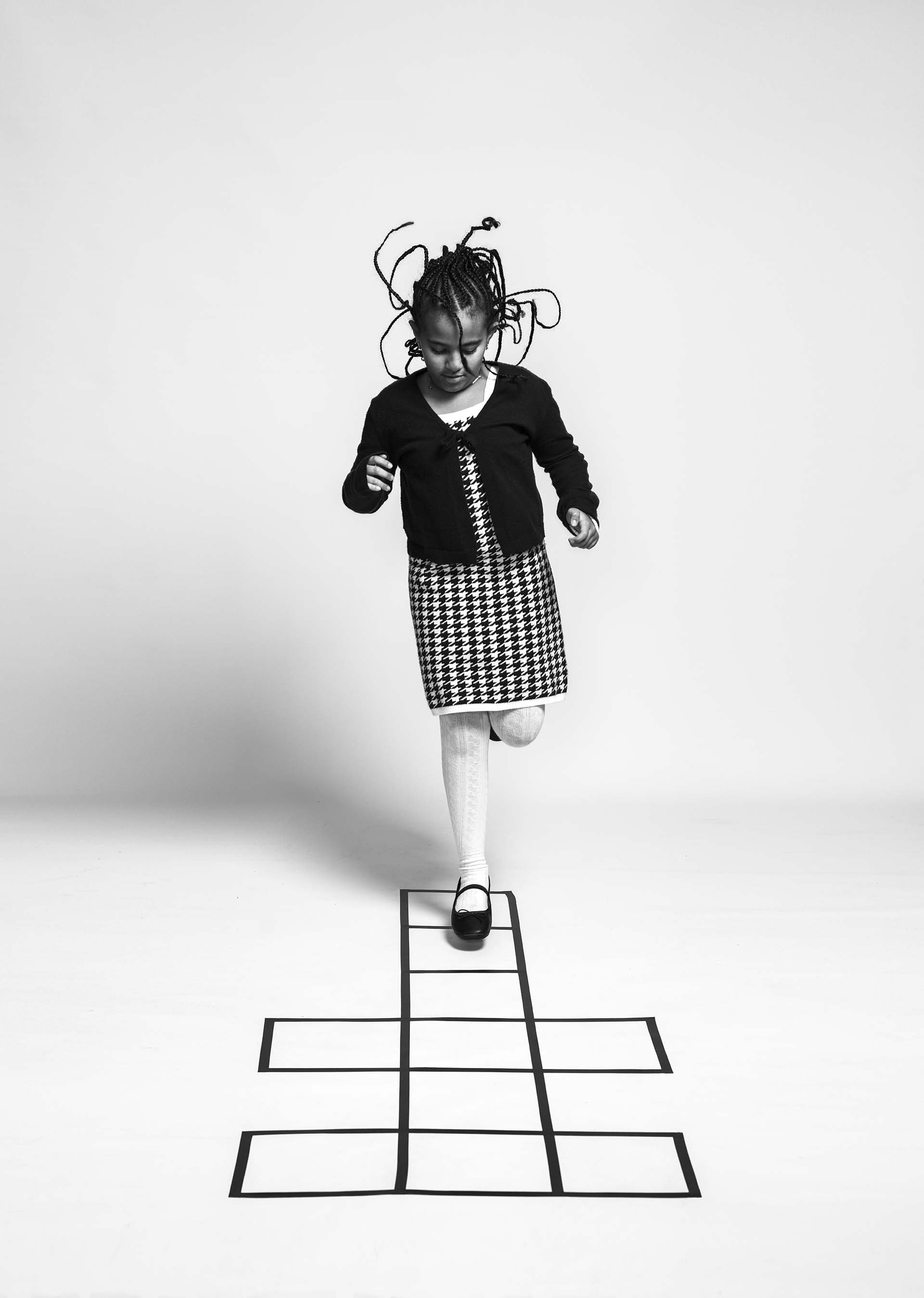
My parents looked at each other, realizing that while they had been grieving, childhood had been waiting. They dressed me, opened the door, and watched from the window as I ran outside. Looking back, I think that was the moment I understood that play is more than recreation. Sometimes, it is how we begin to heal.
Bonita
Ward 5 | SE & NE D.C.
"Before the Streetlights Came On"
When I think about growing up in Washington, I think about being outside.
After my family moved from Southeast to a house on Brentwood Road in Northeast, the neighborhood became our playground. My brothers, sisters, friends, and I spent most of our days outdoors. We played until dinner or until it started getting dark, and no one thought twice about riding a bicycle several blocks to a friend's house. That freedom was just part of childhood.
There was always something to do. We jumped rope, played Double Dutch, drew hopscotch courts on the sidewalk, spun hula hoops to see who could keep one going the longest, and hid from one another during games of hide-and-seek. We roller skated, rode our bikes, played kickball, tossed yo-yos, and challenged each other to games of Jacks. Even when we were inside, there was always another adventure waiting. I loved my Etch A Sketch because I could draw, erase everything, and begin again. I spent hours dressing paper dolls in different outfits, baking tiny cakes in my Easy-Bake Oven, and playing board games like Monopoly, Candy Land, Twister, Uno, and Operation with my family.
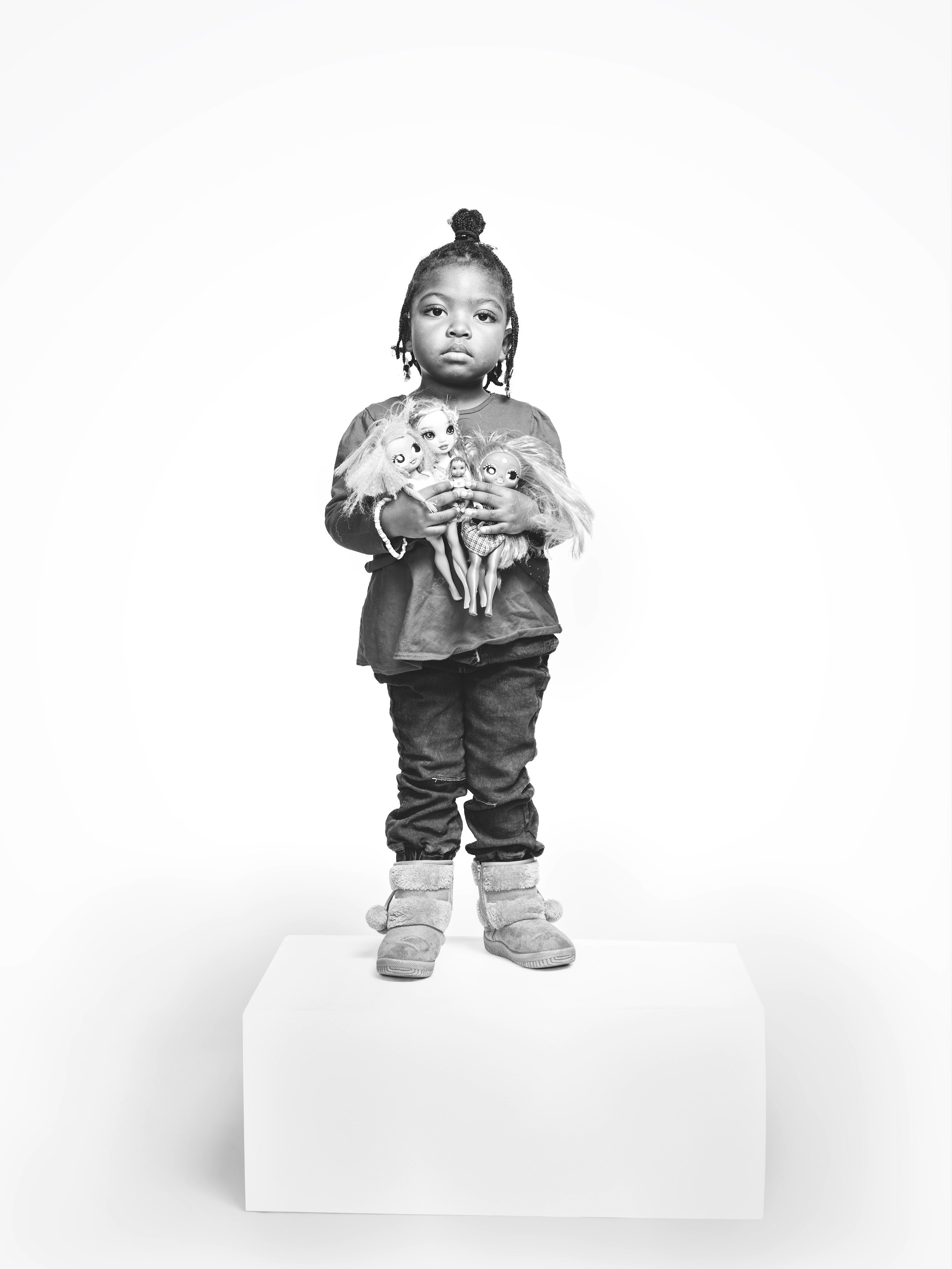
Even sharing toys with my friends and siblings was preparing me for life with other people.
- Bonita
Looking back, I realize those games were teaching us things we didn't even notice at the time. Jumping rope meant learning rhythm and teamwork. Playing Jacks strengthened hand-eye coordination. Operation taught patience and a steady hand. Riding my bicycle through the neighborhood taught me independence and responsibility. Even sharing toys with my friends and siblings was preparing me for life with other people. We weren't thinking about lessons, we were simply having fun.
One of the most meaningful parts of my childhood came through the Girl Scouts. Selling cookies, camping, and earning badges opened up a much bigger world than I had imagined. When I was twelve years old, the Girl Scouts took me on my very first airplane ride, to France. I celebrated my thirteenth birthday in Europe, stayed in a castle, rode bicycles through the countryside, tasted foods I had never seen before, and discovered a game called bocce that I had never encountered back home. That trip taught me that play, travel, and curiosity could carry you far beyond your own neighborhood.
I also remember that there was only one kind of Barbie doll when I was growing up. There weren't dolls that looked like me or reflected the diversity I now see on toy shelves. Looking back, I understand why representation matters. Children should be able to see themselves in the toys they play with and in the stories they imagine.
When I remember childhood, I don't remember one perfect game. I remember the feeling of being outside with friends, riding my bike without fear, inventing fun with whatever we had, and hearing my parents call us home before dark. Those are the memories that stay with me.
Nia
Ward 1 | Mount Pleasant
"A City That Invited Curiosity"
When I think about childhood, I don't think about one particular game. I think about Washington itself. The city felt like a playground full of places to explore, and every weekend seemed to offer another adventure.
One of my earliest memories is climbing the bronze triceratops on the National Mall. I loved scrambling over its back as a toddler, and I remember riding the merry-go-round nearby whenever I could. My parents took me to art classes at the Smithsonian, children's plays at the Old Post Office, roller skating at the Boys & Girls Club in Georgetown, and to a children's museum filled with whimsical sculptures that felt like stepping into another world. Looking back, I realize that many of my favorite childhood memories weren't just about games, they were about the city itself inviting me to imagine, create, and explore.
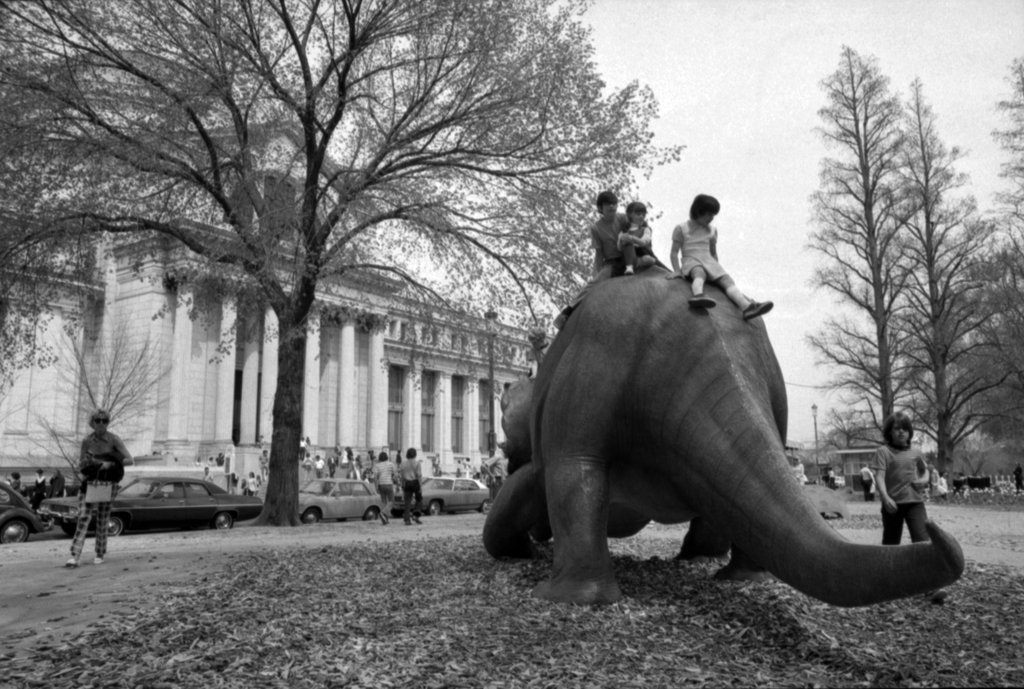
Triceratops sculpture (known as Uncle Beazley) outside the Smithsonian National Museum of Natural History in Washington, DC. Courtesy of Smithsonian archival photograph from 1973.
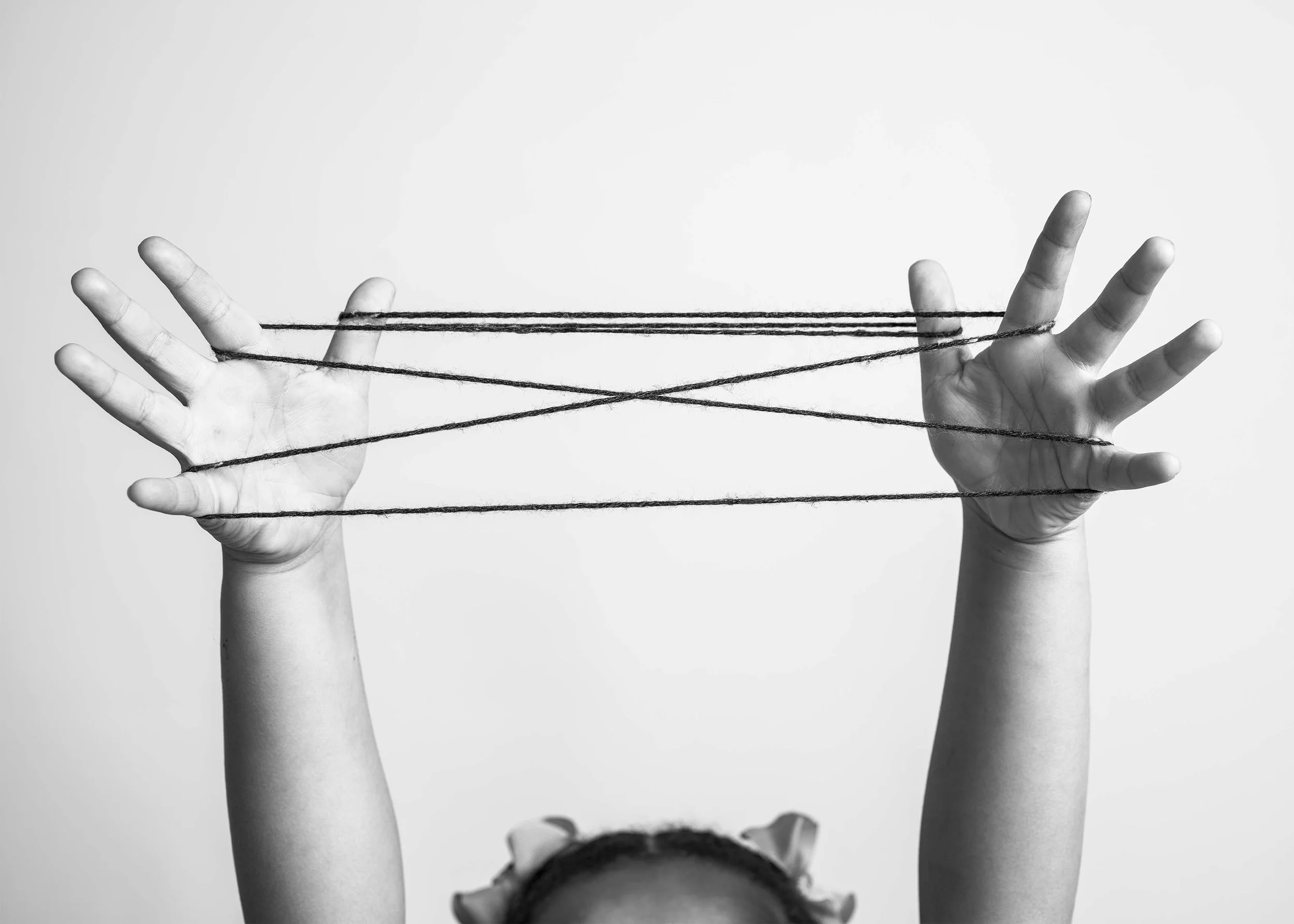
Of course, we played neighborhood games too. We hopped across sidewalks, carefully avoiding the cracks because everyone knew the rhyme: "Don't step on a crack or you'll break your mother's back." Whenever someone spotted a Volkswagen, it became a race to call it out first and gently punch your friend before they could get you. There were hand-clapping games, Cat's Cradle made from string, Marco Polo in the pool during the summer, and afternoons spent on monkey bars and swings. None of these games needed elaborate rules. They were simply ways of being together.
As I grew older, play slowly changed. Around the age of ten or eleven, books became my favorite place to explore. At first I loved children's stories, but everything shifted when an older friend introduced me to books by Black authors. Their stories spoke to experiences I hadn't seen reflected before, and suddenly reading became something I wanted to do all the time. Looking back, I think those books expanded my imagination and helped me understand myself in ways I couldn't yet put into words. They shaped the way I think, the way I write, and eventually even the communities I built as an adult.
Growing up in Mount Pleasant also meant growing up alongside people from everywhere. My preschool classmates came from cultures all over the world. My best friend taught me origami, my stepsister learned English and Spanish at the same time, and I found myself fascinated by different languages, foods, and traditions. I don't know that it changed the games we played, but it certainly changed the way I see people. It made curiosity feel natural. Looking back, that may have been one of the greatest gifts of growing up in Washington, D.C.
Yonas
Ward 1 | Columbia Heights & Adams Morgan
"Racing the Alleyways"
Some of my favorite childhood memories aren't about organized sports or winning games. They're about making games out of whatever the city gave us.
I grew up in Columbia Heights after my family moved there in 1982. We didn't have much money, so we couldn't always afford the newest toys, but that never stopped us from playing. We made our own fun with basketball, hopscotch, four square, soccer, and whatever else the neighborhood offered.
The game I remember most happened in the alleyways of Adams Morgan.
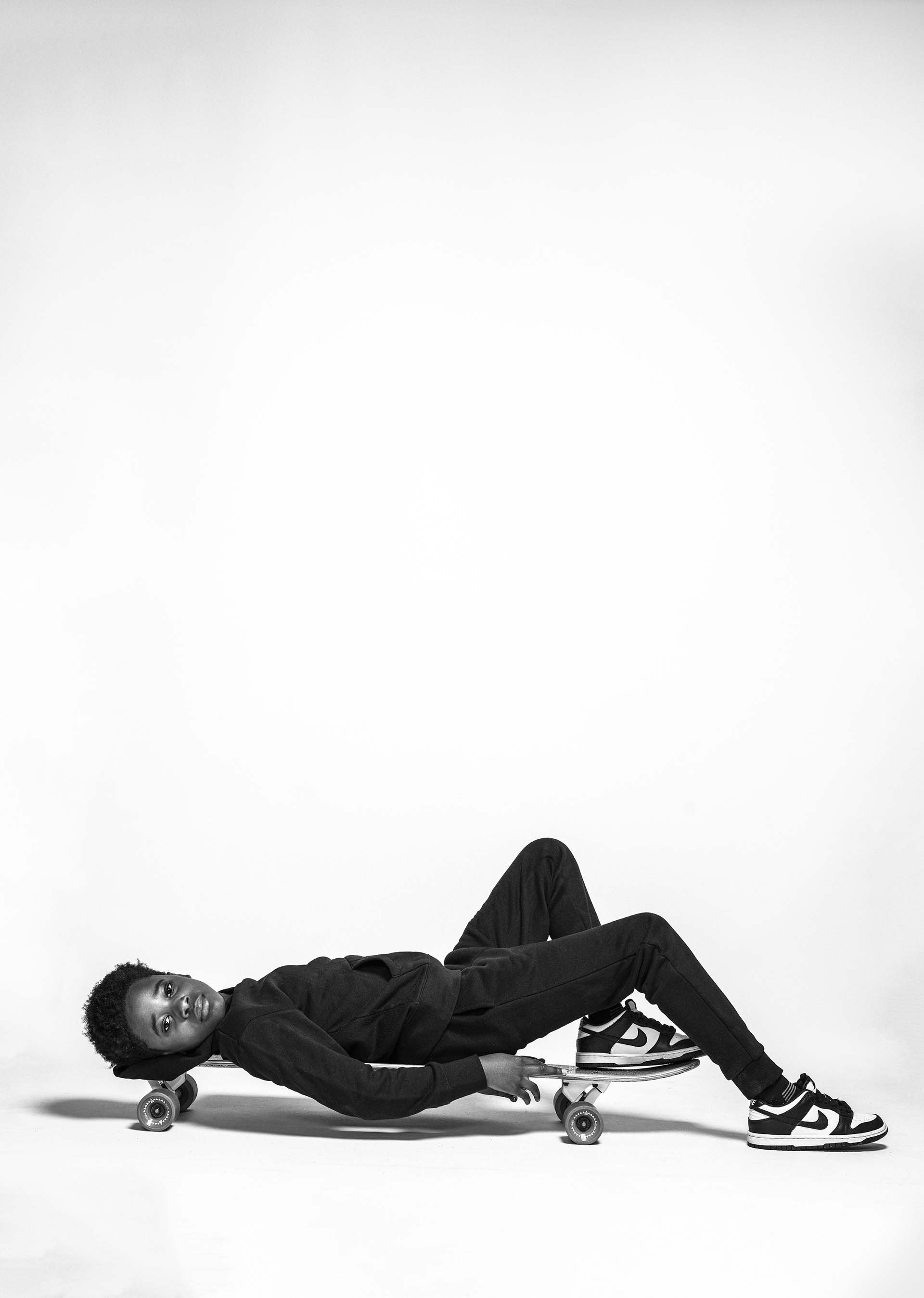
Most of us weren't even good enough to skateboard standing up, so we'd sit on our skateboards instead. We'd push ourselves until we picked up speed, then lean all the way back like Olympic lugers and race downhill through the alleys. Looking back, it was probably one of the most dangerous things we could have done, but at the time it felt like complete freedom. The starting line, the finish line, even the rules were whatever we decided they were that day. We invented the game as we went along. It wasn't about competition as much as it was about the thrill of moving fast and laughing together.
We also played a rough game with a tennis ball and a brick wall. Someone would throw the ball as hard as they could against the wall. If you failed to catch it cleanly, you had to stand facing the wall while another kid got one chance to throw the ball at your back as hard as possible. We didn't keep score. We simply kept playing until we were tired enough to stop.
Those years, before middle school, were the best years of play. Everything felt new. We weren't thinking about popularity or trying to impress anyone. We played simply because it was fun. As we got older, sports became more organized, and eventually our attention shifted toward competition, school, and what other people thought of us. Looking back, I think that's why childhood stays with us so vividly. There was so little to worry about. We were free to invent games, explore the neighborhood, and disappear into our own imaginations.
Carol
Ward 3 | NE D.C. - Upper NW
"You Just Went Outside"
When I think about childhood in Washington, I don't think about one particular game. I remember the feeling of coming home from school, dropping my books inside the house, and heading straight back outdoors. There were no phone calls to arrange playdates, no calendars to coordinate with parents, and no one wondering if children would show up. We simply knew that around three-thirty the neighborhood would come alive. Whoever was outside became part of the game.
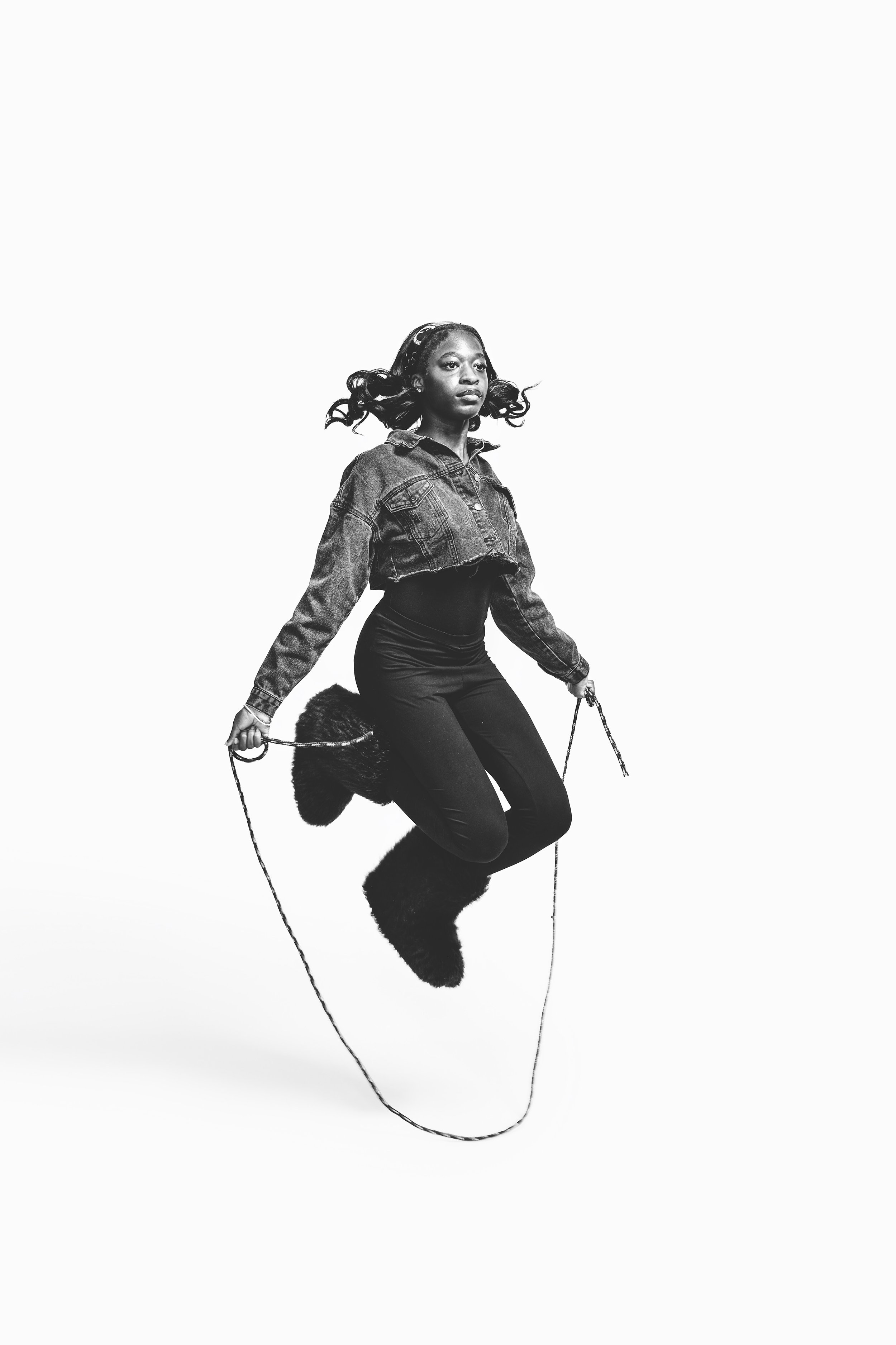
Every afternoon unfolded differently. Sometimes we played kickball, which was always one of my favorites because I was good at it. Other days it was dodgeball, hopscotch, jump rope, hide-and-seek, tag, or Double Dutch. We didn't need much planning. Someone would suggest a game, everyone agreed, and before long we were running, laughing, and making up teams on the spot. It didn't matter whether there were boys or girls or how many children happened to be outside. We simply made it work.
One of the things I remember most isn't a game at all. It was my father's whistle. We played until dinner, and when he stepped outside and whistled, every child in the neighborhood recognized the sound. My friends would laugh and say, "Your father's calling you." That whistle meant the day was over, dinner was waiting, and tomorrow we would do it all again.
We never talked about how far we were allowed to go. We stayed close to home because that's where everyone we knew lived. The neighborhood itself created boundaries without anyone needing to explain them. Looking back, what I remember most is the freedom we had to explore safely, knowing there were familiar faces on every block.
As I grew older and my family moved to Northwest Washington, everything changed. Childhood games slowly disappeared. Friends gathered in recreation rooms to practice dancing before house parties, walked to neighborhood movie theaters, and spent weekends roller skating instead of playing kickball in the street. It wasn't that play disappeared; it simply became something different as childhood gave way to adolescence.
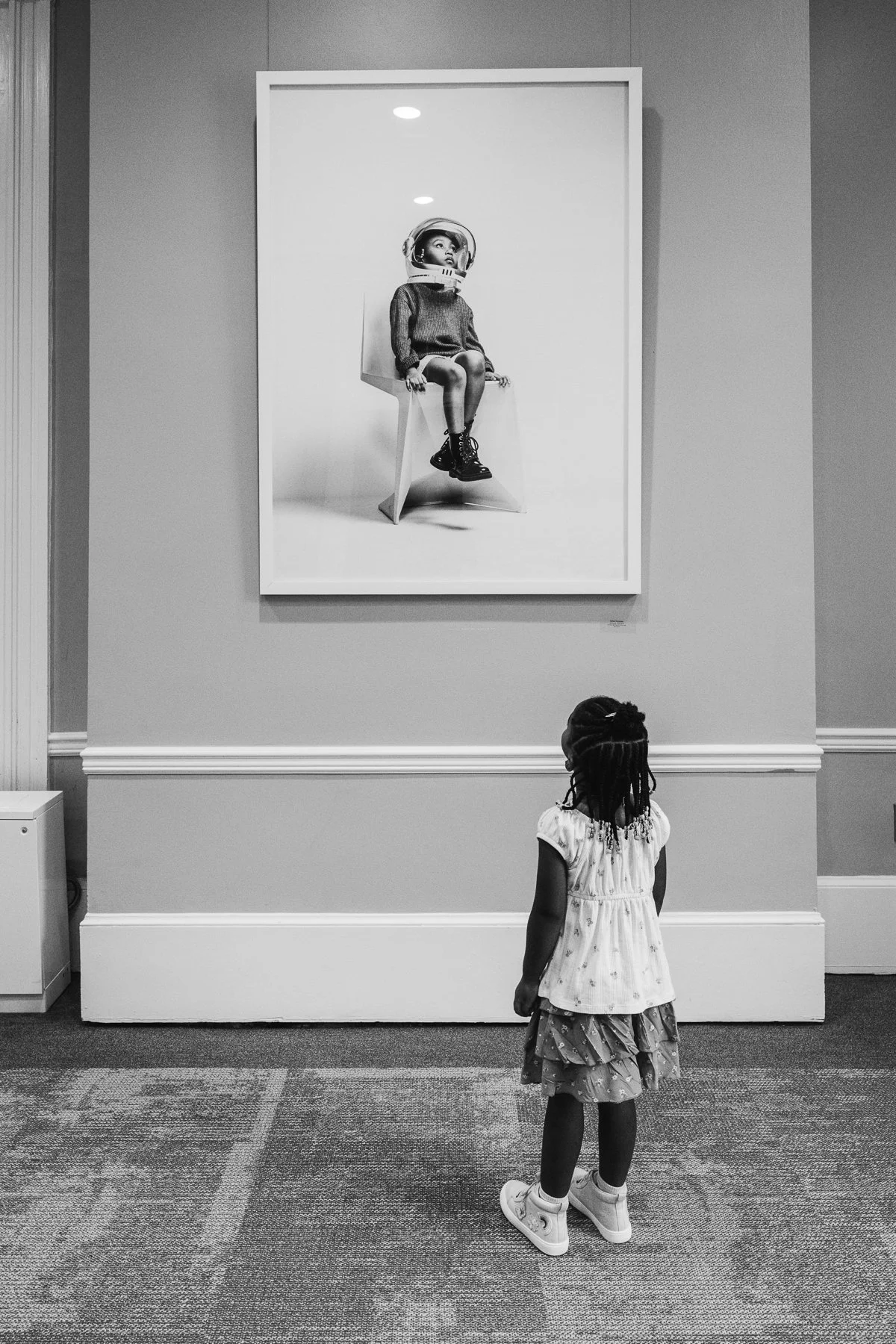
Photo by Donnamaria Jones. Opening of The Games We Played Exhibition at DCTV Ward 5.l
When I raised my own daughter, I realized just how much had changed. Her childhood was carefully scheduled. Play required phone calls, organized playdates, and adult supervision. Children weren't free to wander through the neighborhood the way we had been. Looking back, I think we lost something important. Playing together taught us confidence, cooperation, sportsmanship, and how to understand ourselves through one another. Those weren't lessons anyone planned. They simply happened because we were outside together.
I still believe children need that kind of freedom. They need to move, invent games, solve disagreements, and discover who they are beyond a screen. Those afternoons weren't just entertainment. They were how we learned to become adults.
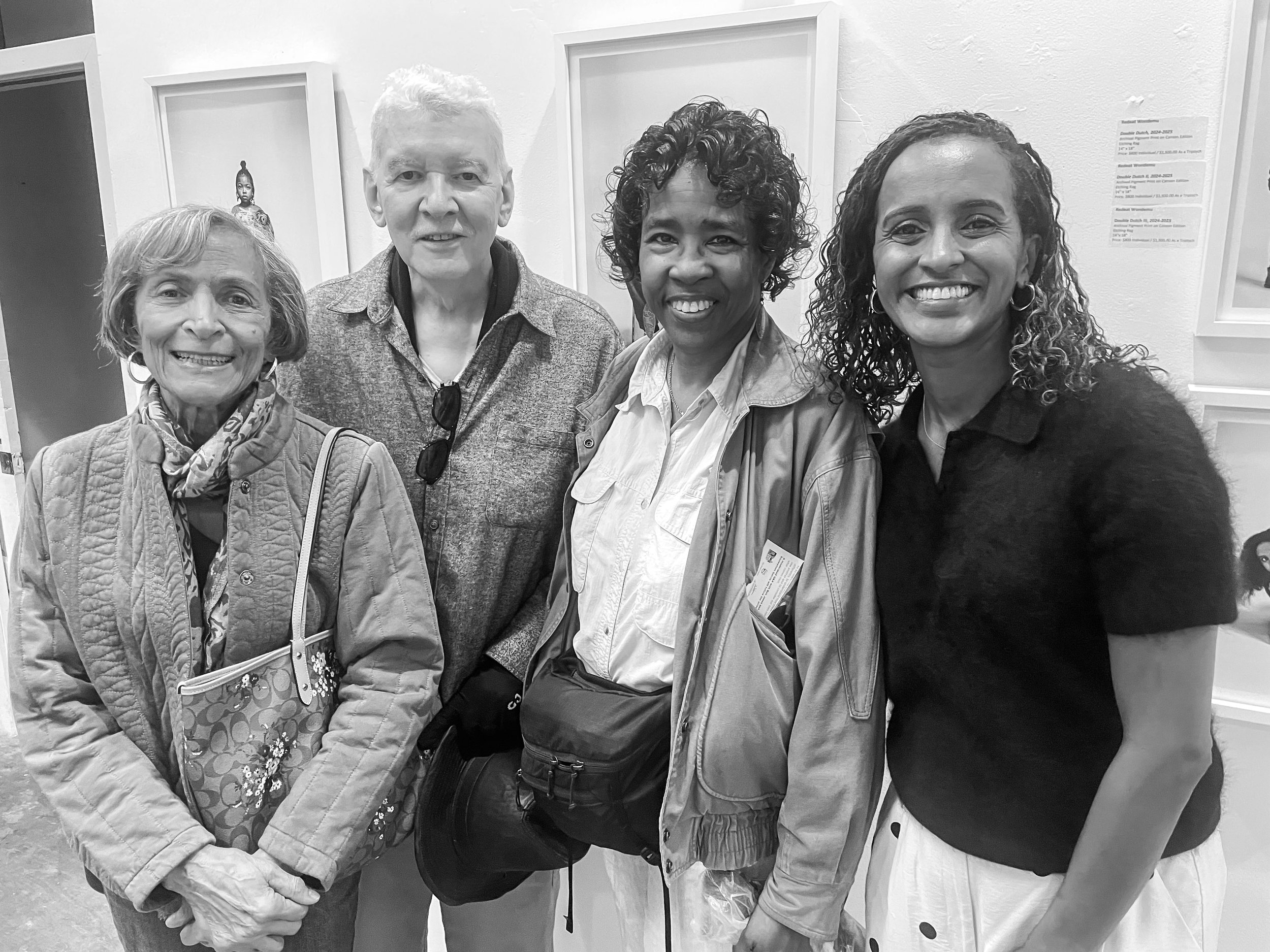
Historian Carol, Marvin, and Bonita.